Miles vs cash back: which wins for your spend?
1 min read · Which card, Strategy
Miles beat cash back when the award you book is worth more per point than your cash-back card pays on the same spend. Cash back wins when you value simplicity, hate blackout risk, or redeem miles near a penny. Run both on one real trip and one real grocery month before you pick a lane.
Miles and cash back are two ways to discount the same spend. 1
Pick with a worksheet, not a tribe.
Build one month of real spend
Take last month's groceries, gas, dining, and travel. Apply your cash-back rates category by category. Sum the dollars.
Then apply the miles earn rates you actually hold. Convert those miles at the redemption you will take, not at a hopeful peak.
Cards that make this concrete
These are stylized CardLab catalog faces, not official issuer photos.

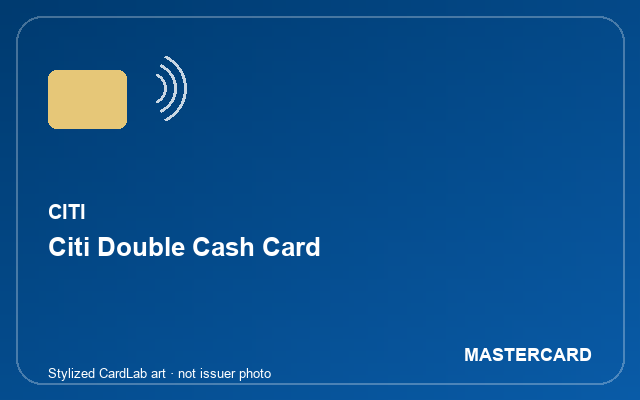
The cash-back floor
If a 2% cash-back card would have paid $40 on that month, miles must clear more than $40 of trip value from the same spend to win. Anything less means you paid for complexity.
When miles pull ahead
Miles win on long-haul awards, partner sweet spots, and transfer bonuses you timed on purpose. They also win when the cash price of the trip is high and the award chart still prices it cheap. They lose when every award needs a Saturday layover you will not take.
Fees and friction count
Award tickets can add partner surcharges. Schedule changes are harder than refunding a cash fare on some airlines. 2 If you cancel trips often, cash back may be the calmer product even when miles look richer on paper.
Use CardLab for the earn side
Track which card wins each category in the app. Price the redemption yourself with a real itinerary before you chase another miles welcome bonus.
Common questions
Is one mile always worth one cent?
No. Some redemptions clear two cents or more. Others land under one cent. Use the cents-per-point from your ticket: cash price divided by miles spent.
What about co-branded airline cards?
They can win on that airline's perks and miles. They lose when most of your spend is elsewhere and the miles only redeem well on one carrier.
Do taxes differ?
Cash-back statement credits are usually a purchase discount. Miles and points are usually not treated as cash income when earned. Unusual redemptions can still have tax facts, so confirm with a professional for edge cases.
Sources
CardLab tracks the cards you hold and the bonuses you are chasing, with every rate read from the issuer's own page.
Get CardLabWhich card to use